
—————————————————————————————————————————————————-
Environmental Update: Low Carbon Fuels, Gas Pipe Leakage, Plastic Bags, Recycled Content
With just under two weeks left in this year’s legislative session we’ve passed most of the deadlines that bills face before becoming law. So, what environmental legislation is still on the table?
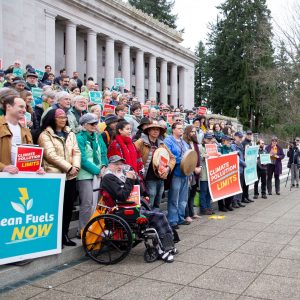 Clean Fuel Standard: Nearly half of Washington’s greenhouse gas emissions come from the transportation sector. This bill gets to the core of the problem by reducing the carbon intensity of fuel — cleaner fuels mean lower emissions and better air quality for all of us. A clean fuel standard would also give rural economies a boost by creating a market for turning farm and forestry waste into biofuel. The house passed HB 1110 in the third week of session, and it’s now up for consideration in the senate. I wrote more about the bill in a piece for the Seattle Times.
Gas Pipeline Leakage: We don’t have much data about how many gas pipeline leaks happen annually, or what volume of gas they leak. HB 2518 addresses that problem. Methane is a powerful greenhouse gas, and leaks from pipelines cost gas customers money on their gas utility bills. This bill would require gas utilities to submit annual reports about leaks, including causes and amounts, and would include emissions created by those leaks in greenhouse gas emissions reporting. It also gives utilities more options to pay for pipeline fixes. This bill will reduce pipeline leaks and it passed out of the House with a bipartisan vote.
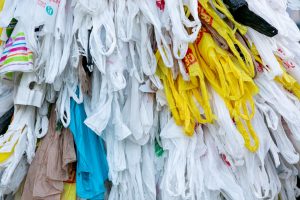
Reducing Plastic Bag Pollution: I talked about this bill in my e-newsletter at the beginning of session and am happy to report that it’s continuing to move through the legislative process. It passed out of the House Environment & Energy Committee, which I chair, on Thursday with a unanimous vote.
Recycled Plastics: This first-in-the-nation legislation would set recycled content requirements for plastic beverage bottles, requiring that producers of these bottles use more recycled plastic. It also helps support a strong market for recyclables, which helps keep as much plastic as possible out of landfills and out of our waters. We passed HB 2722 off the House floor earlier this session and it’s now in the Senate Ways and Means Committee.
Protecting Clean Water: The biggest step we are taking this year to improve habitat for salmon is HB 1261 which would protect salmon spawning waters. Right now, suction dredges can be used to mine for gold in critical habitat for salmon or steelhead across Washington state, even in waters that WDFW has deemed too fragile for fishing. Suction dredge mining increases the levels of silt in the water and heats up our streams, killing young salmon. It stirs up mercury which is then absorbed by salmon, steelhead, trout, and everything in the food chain. This bill would discontinue suction dredge mining and other kinds of motorized mining in critical habitat for salmon, steelhead, and bull trout. The House passed this bill early in session and the Senate has voted it out of committee, the next step is a vote on the Senate floor.
Legislative Update: Insulin Prices, Affordable Housing, Block the Box, School Meals
Telephone Town Hall Notice
We will be hosting a telephone town hall this coming Monday, February 24th at 6pm! You can sign up here to join us and ask questions about issues we’re working on this year!
Note from Eileen:
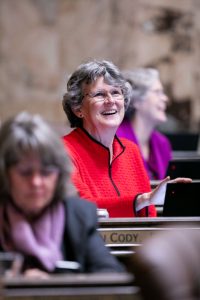
Insulin Bill Passes the House
Washington State, like the rest of the country, is facing a crisis in prescription drug affordability. The cost of insulin has skyrocketed in the last decade, and too many of us are personally experiencing this issue. Currently, our state has implemented legislation to evaluate contributing factors to health care costs for patients. We know we need to do more to lower prescription drug costs.
This week, the House passed bipartisan legislation to reduce the cost of insulin. For two years, House Bill 2662 will cap the total out-of-pocket cost of 30-day insulin supplies to $100. It will also establish the Total Cost of Insulin Work Group, which will review and develop strategies for reducing insulin costs. With this legislation, we are building a foundation for more affordable care for our state. The bill is now headed to the Senate for consideration. I look forward to seeing it on the Governor’s desk!
Affordable Housing
The need for affordable housing is growing throughout our state, and we have a lot of work to do to help our local governments. Many of our neighbors are one financial crisis away from homelessness. In Olympia, we are fighting to combat some of the barriers to building and finding a stable place to live.
This session, we passed several affordable housing measures, including House Bills 2634 and 1694. HB 2634 will provide tax exemptions on properties sold to organizations for low-income housing. HB 1694 will allow renters to pay deposits, nonrefundable fees, and last month’s rent in installments. Both bills ensure that affordable housing is more accessible and more abundant, and they give our communities the tools to build or keep the units they need. All people in our state should be able to find safe, stable housing, and these bills are vital in securing that.
Data Privacy
I have heard from many of you about the importance of preserving our privacy. In Olympia, we are working to regulate the use of your data and maintain your right to privacy.
This week, the Senate passed Senate Bill 6281 — the Washington Privacy Act — with bipartisan support. The bill is modeled after similar legislation in California, and it establishes personal data rights for consumers and outlines responsibilities of entities who use that data. This is an important consumer protection that I hope to see on the House floor. It now goes to the House Innovation, Technology, & Economic Development Committee.
I am happy to announce that House Bill 1888, which protects the information of public employees, also passed out of the House with bipartisan support. This legislation will protect our employees by giving them a reasonable expectation of privacy for their personal, identifying information. It now heads to the Senate for consideration.
I’m looking forward to seeing these important consumer and employee protections pass into law this year!
Note from Joe:
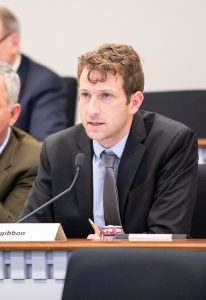 Don’t Block the Box
Transit lanes are for transit vehicles. The delays that line violators cause are frustrating both for bus commuters and for people obeying the law while others cheat the system. The current options for enforcing transit only lanes aren’t enough, which is why I’m sponsoring HB 1793.
This bill would also make cities safer for pedestrians, and particularly for people with disabilities. Blocked crosswalks can make navigating a city impossible, this helps make sure that our crosswalks are accessible for everyone.
The bill passed out of the House in late January and has a hearing next Monday, February 24th in the Senate Transportation Committee.
Feeding our Students
When kids are hungry, they can’t learn. In recent years Washington has made a lot of headway in getting our kids the food they need, this session I’m supporting HB 2660 to continue that work. This bill makes sure that our schools are taking advantage of federal dollars, and would make it so schools with a high percentage of eligible students provide all meals for free.
We’re currently 45th in the nation in school breakfast participation, and there are 285,000 food insecure students in Washington state. This bill would reduce administrative burdens, make things easier for parents, and prioritize our students’ needs. It passed out of the House last week with near unanimous support, and is scheduled for a hearing next week in the Senate Early Learning & K-12 Education Committee.
Thanks for reading!
Legislative Update: Fireworks Ban, Healthcare Cost Transparency, Childcare Costs
Join us for a Telephone Town Hall!
We have a Tele-Town Hall coming up on February 24th at 6pm! You can sign up here to join and ask us questions about issues we’re working on this year!
Note From Joe:
 Fireworks restrictions in unincorporated King County
This session I’ve been working on a bill that’s close to home for a lot of folks in White Center. Last Fourth of July fireworks sparked a fire that killed a member of our community and burned down two houses. Since then, I’ve been working with county officials to prevent tragedies like this from happening again. In Washington State cities and counties can enact a firework ban, but state law requires a one-year delay before it can be implemented.
My bill, HB 2307, would allow those bans to take effect immediately.
I’ve heard from constituents across the district about why this bill is important for them, from concerns about personal safety to better supporting our veterans dealing with PTSD. I’m happy to report that this bill is moving and has been referred to the House Rules Committee for consideration. Hopefully, HB 2307 will be up for a vote on the House floor in the coming weeks.
Flushable Wipes?
Disposable wipes create messy problems for everyday households and major problems downstream. That’s why this year I sponsored legislation requiring that items labeled as “flushable” are actually flushable.
Many of these wipes don’t break down in our sewage systems and can cause significant damage for home plumbing and municipal waste infrastructure. Last summer, the Puget Sound area dealt with broken sewer pumps, massive pipe clogs, and toxic sewage spills that required expensive repairs and clean up. This bill helps address these problems by giving consumers accurate information about the products they’re buying.
Lowering the Cost of Child Care
Child care is now more expensive than college, and kids, families and businesses across the state are feeling the impact. I’m a co-sponsor of the Fair Start for Kids Act because I’ve heard from people all across the district about the skyrocketing cost of child care.
Nearly half of Washington parents have a hard time finding affordable child care, which directly affects their employment & costs Washington businesses over $2 billion a year. Our childcare providers are also struggling with a 43 percent turnover rate because of low wages. This bill is a triple win that would provide more affordable child care, ensure our providers make a living wage, and give some relief to businesses and employees struggling to make things work. It’s time to pass the Fair Start for Kids Act so that our kids, families and economy grow strong.
Note From Eileen:
Gun Safety and Gun Violence Prevention

We have heard an outpouring of support for stronger gun safety legislation. We have multiple bills this session that deal with gun control and would increase gun safety. For example, HB 2467 is a bipartisan bill that would establish a Washington State background check system for firearm sales and transfers. Currently, when you try to purchase a firearm in Washington, the background check is done through a national system. Unfortunately, some people who are prohibited from purchasing a gun are slipping through the cracks. A state system will be faster and more accurate. Last week HB 2467 passed out of the Civil Rights and Judiciary Committee it now goes to the Appropriations committee for further consideration.
Another important gun safety bill this session is HB 2240, dealing with high capacity magazines. Between 2009 and 2017, 58% of mass shootings used these magazines, and we know that in cases where they’re used, 14 times more people are injured. I’m proud to co-sponsor this legislation, which helps limit unnecessary and excessive magazines and move us closer to a future without gun violence. HB 2240 and HB 2467 are excellent examples of bills that improve firearm safety in our state, and I hope I get the chance to vote in favor of them on the House floor.
Comprehensive Sexual Health Education Passed out of House Committee
Last session we spoke about the need to establish comprehensive, medically accurate, and age-appropriate sexual health education for all students in Washington. It is vital that our youth have the knowledge necessary to make healthy and responsible decisions.
This year, I am co-sponsoring HB 2184, which requires comprehensive sexual health education in public schools starting in the ‘22-’23 school year. The goal of this curriculum is to teach students about safe, healthy, and consensual relationships, giving them the tools to identify and prevent sexual assault. In particular, K-3 students will learn age appropriate curriculum to keep themselves safe. It is important to teach them what kind of touching is inappropriate and what they are supposed to do when they are uncomfortable with the way someone is touching them. This knowledge helps protect our children, establishing foundational building blocks for the rest of their development.
All education must align with health and physical education standards currently upheld by schools. Parents have always been able to opt their children out of sexual health education. HB 2184 does not change that. Additionally, parents can request to view the curriculum. We know that parents play a critical role in student success, and our state will always prioritize parents’ involvement in their children’s education.
Health Care Cost Transparency
We have spoken about the need to increase transparency so we can better understand health care costs in our state. Currently, Washington collects information about the cost of health care in multiple ways, but there is no centralized source for this information. This session, I introduced a bill to increase accountability and transparency in the health care system, HB 2457, which would establish the Health Care Cost Transparency Board. The Board would be responsible for annually calculating and releasing information on health care costs in Washington, including increases statewide for each health care provider, system, and payer. This “health care cost growth” will show the annual percentage change in total health care expenditures in our state. The Board would also be responsible for setting cost containment benchmarks to address issues with unchecked price increases for consumers.
HB 2457 would be another tool to help increase transparency and contain costs in our health care system, so it’s more affordable and accessible for all Washingtonians. The bill was passed out of the Health Care and Wellness Committee this week with strong bipartisan support, and I l have high hopes of seeing it on the Governor’s desk at the end of this session!
Thanks for reading!
Legislative Update: Session 2020 Begins, Senate passes plastic bag bag, hearing on healthcare cost transparency
 Now Accepting Page Applications
Every year, students ages 14 to 16 come from all over the state to serve as legislative pages in the House of Representatives for one week. Pages perform a wide variety of responsibilities, from presenting the flags to distributing amendments on the House floor. Pages also receive daily civics instruction, draft their own bills, and participate in mock committee hearings.
Pages are sponsored by members of the Legislature, usually from the district in which they live. Do you know a student who may be interested in serving as a legislative page? Our offices are now accepting applications and there is a scholarship program to ensure this opportunity is accessible for every student.
Senate Passes Plastic Bag Ban
In the 2019 session some key environmental policies were passed, but there is still work to be done to reduce emissions, address plastic pollution, implement solid waste policies, and further efforts to protect clean water.
Senate Bill 5253 helps to address plastic bag pollution by encouraging the use of reusable bags; plastic bags clog up our recycling stream, add to landfill waste, and contribute harmful microplastics to the environment. This bill would also bring the state into alignment, giving retailers and grocers one standard to comply with instead of the current 37-jurisdiction patchwork.
Last year the House Environment and Energy Committee and the Finance Committee both passed the companion House Bill, HB 1205, but it did not receive a vote on the House floor. The Senate passed SB 5323 last Wednesday, and it has been referred to the House Environment and Energy Committee.
House Hearing on Healthcare Cost Transparency & Accountability
Like the rest of the country, Washington is facing a healthcare affordability crisis. We all hear the horror stories about rising medical expenses and increasing debts, and too many of us are personally facing these issues. This year in Olympia, we are working to expand hospital transparency to better understand and manage system-wide healthcare costs. We have multiple bills to do this. One of them is HB 2036.
HB 2036 will require nontraditional hospital entities, such as ambulatory surgical centers, to submit financial data to the Department of Health. The bill will also require the collection of additional financial and patient discharge data not currently received. Hospitals will have to publicly release explicit details about required community health activities and disclose their debt collection practices. The House Healthcare and Wellness Committee heard HB 2036 last week and advocates provided compelling testimony about the importance of transparency in our healthcare system.
We will have more bills about healthcare accountability and cost containment this session, and we are excited to continue sharing updates on these important pieces of legislation.
Making History
We’re kicking off 2020 with a new face at the House rostrum! State Representative Laurie Jinkins (D-Tacoma) made history last Monday by becoming the first-ever woman and first lesbian Speaker of the House. This is the first time in nearly two decades that a new Speaker has taken the gavel.
In her first address as Speaker, Jinkins highlighted that while her title may be Speaker, she sees her primary job as listening. She also referenced the passage of the 19th Amendment, which gave women the right to vote, as it celebrates its 100th anniversary this year. Jinkins noted that, for many, there is still work to be done to achieve equity in opportunity. We look forward to working with her this session and beyond.
Jinkins has served in the legislature since 2011 and was previously the Chair of the House Civil Rights and Judiciary Committee. The acting Speaker, John Lovick (D-Mill Creek), added that ‘For the first time, a woman will hold the gavel here in the People’s House. History like this isn’t made accidentally. Barriers that have stood for more than a century do not fall on their own. They are taken down, piece by piece, through sweat and sacrifice.’
Thanks for reading!
Looking ahead: Environmental bills in 2020
In the 2019 session, some key environmental policies were enacted and critical investments made to act on climate, promote clean energy, and protect orcas and marine life. We’ve celebrated those historic milestones, and now it’s time to start thinking about the work that lies ahead in 2020.
We know there’s more to be done on reducing emissions, addressing plastic pollution and solid waste policies, and continuing efforts to protect our clean water and ensure the continued survival of our iconic orcas.
Here’s a look ahead at what I’ll be focusing on in my work chairing the House Environment & Energy Committee.
Sincerely,
Top climate issue in 2020: Addressing emissions from the transportation sector
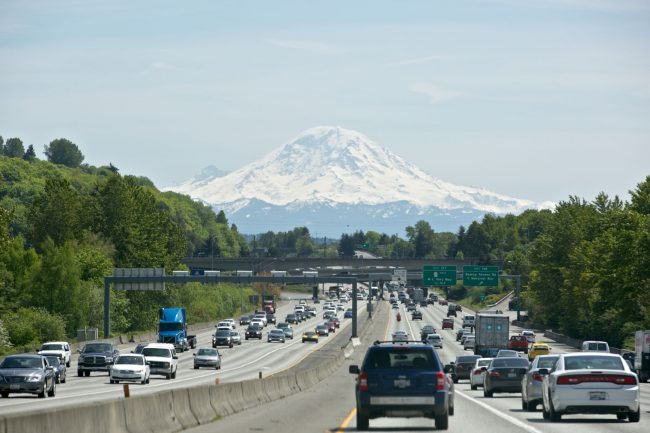
We can’t ignore the biggest source of greenhouse gas emissions in our state: the transportation sector. In fact, it represents nearly half of Washington’s greenhouse gas emissions. That’s why I sponsored legislation last year to improve local air quality and provide economic benefits to Washington’s communities by implementing a clean fuels program.
Our other west coast neighbors – Oregon, California, and British Columbia – already have clean fuels programs in place. It’s time Washington joined them in adopting one.
Last year, my bill cleared the House but didn’t make it to a floor vote in the Senate. I’ll be pushing hard this coming session to make 2020 the year our state finally passes this critical climate policy.
Reducing plastic pollution
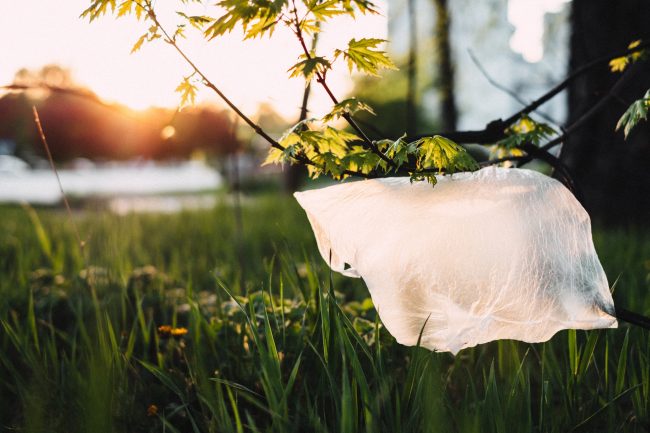
Plastic bags are convenient, but we pay a high price for this convenience in several ways. One way is that plastic bags entangle sorting lines at recycling facilities and cost recyclers money, driving a cost for all of us through our garbage utility bills. Another way is the increasing amount of plastic pollution affecting our oceans and environment.
Locally, some jurisdictions in Washington state have passed bans on single-use plastic bags, but a statewide set of standards would be simpler for grocers and retailers, and bring about a greater reduction in overall disposable bag use.
In 2019, the Environment & Energy Committee passed a bill establishing minimum state standards for single use plastic bags, but it did not receive a vote on the House floor. I expect we’ll revisit the issue in 2020, and I’ll be strongly supportive of getting a bill all the way through the Legislature this time. Also look for a continued discussion on ways to reduce other single-use plastics and promote viable alternatives, such as food service products.
Next steps on recycling
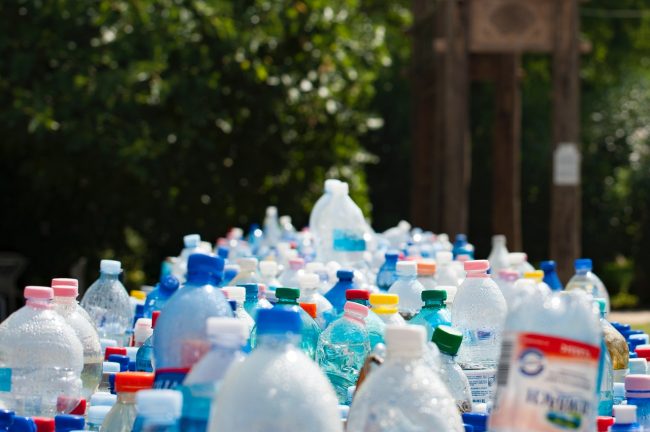
Because of policy changes in China – our biggest market for recyclables – some recyclable materials are no longer being recycled. But recycling helps reduce what goes into our landfills, and that’s why I’m glad we passed a bill last session to develop new, local markets for recyclable materials.
In 2020, we’ll look at additional steps we can take to increase recycling and reduce what we send to the landfill, including exploring the possibility of recycled content requirements for certain products.
Not-so-flushable wipes
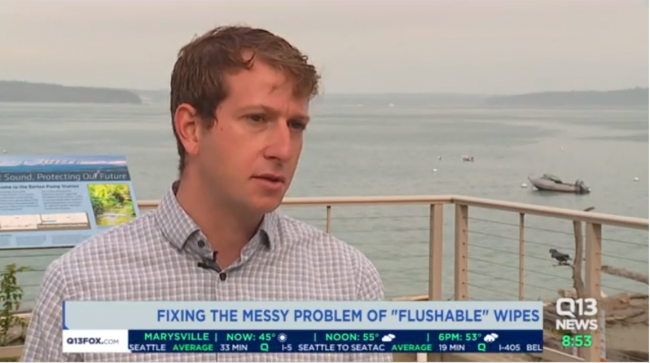
Just because something is labeled “flushable” doesn’t mean it’s a good idea to flush it down the toilet. That’s definitely true for “flushable” wipes, which can cause major problems for household plumbing and municipal sewer systems.
I recently talked with Q13’s Tim Joyce about this issue, which has led to sewage spills in Puget Sound and expensive repairs of wastewater infrastructure. It’s possible state lawmakers will have to act to prevent products from being labeled as “flushable” when they actually should not be flushed at all. Stay tuned.
Gun legislation update

Thank you for contacting me this session to advocate for firearm-related legislation.
Like many of you, I am deeply concerned about gun violence. No one should have to fear being shot at school, at their place of worship, at a shopping center, at a movie theater, or at any of the countless places where innocent lives have been lost due to gun violence. Recent mass shootings in El Paso, Texas and Dayton, Ohio join the unacceptably long list of similar incidents: Las Vegas, Orlando, even Marysville-Pilchuck High School right here in Washington state. One of the best ways to help prevent gun violence is to keep firearms out of the hands of those who are determined to use them to kill themselves or others. The 2019 session was one of our most productive in terms of action taken to keep our communities safer.
I have received hundreds of calls and e-mails about the bills listed below. Here is an update on the outcome of many of the 2019 bills that you and others have asked me to support. While several firearms-related measures did clear the Legislature in 2019, others did not get out of committee or did not make it to the House floor for a vote.
Bills that passed
- HB 1225 – Establishing policies and requirements regarding law enforcement response to domestic violence incidents to enhance the safety of domestic violence victims, families, and officers. This bill made it through the legislative process this year and ensures that law enforcement agencies remove firearms from premises where there is a high risk they will be used violently subsequent to a domestic violence incident. I voted “yes” for this bill on the House floor.
- HB 1465 – Concerning requirements for pistol sales or transfers – Passed the legislature with my support and “yes” vote. This bill was necessary because of a rollback in firearm safety policy by the Trump administration. By passing this law, we ensure that all who acquire pistols in Washington have passed a background check.
Bills that didn’t make it this time
- HB 1315 / SB 5174 – Concerning concealed pistol license training requirements –This bill did not make it to the House or Senate Floor for a vote; however, I support the policy of requiring concealed pistol license holders receive firearms safety training.
- HB 1068 / SB 5062 – Concerning high capacity magazines – This bill did not pass out of the House nor the Senate this year, so I did not have an opportunity to vote on it. I support this measure as a long-overdue step to reduce the risk of the devastating mass shootings that have impacted so many communities across the nation.
- HB 1530 / SB 5434 – Restricting possession of weapons in certain locations – The Senate version of the bill passed that chamber; however, it did not make it to the House Floor. I support this measure to restrict firearm possession at child care centers.
- HB 1286 / SB 5340 – Banning the sale of assault weapons and large capacity magazines – Neither bill passed out of committee. I support this bill to remove these weapons of war from our streets.
- HB 2103 – Simplifying firearms regulations – This bill did not get a hearing in the House Civil Rights & Judiciary Committee, so I did not have an opportunity to vote on this bill, as I do not serve on this committee.
Again, thank you for your message. I value your input and hope you will continue to share your views with me.
Sincerely,
Joe Fitzgibbon
State Representative
34th District
Investments in education, behavioral health, affordable housing, the environment and more
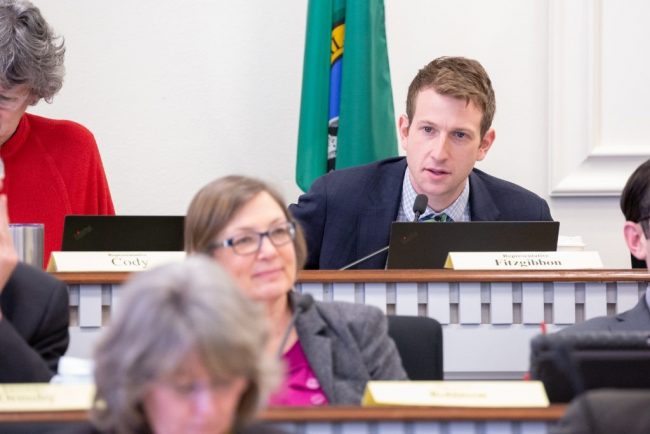
Friends and neighbors,
The 2019 legislative session finished on time with a two-year budget that puts people first and reflects our values as a state. Lawmakers made bold investments in education, behavioral health, affordable housing, and the environment. I have received hundreds of e-mails and calls about the programs listed in this update. Below are the investments that you and many others advocated for strongly and asked me to support in the operating, capital (construction) and transportation budgets.
Many thanks to everyone who has contacted me throughout the previous legislative session to stand up for your top priorities.
Sincerely,
Education and higher education
- $1.1 billion to build public schools, including $43 million specifically for rural and distressed schools. The distressed schools program recently funded the renovation of E.C. Hughes School, giving this West Seattle school a new lease on life.
- $973 million for projects at public colleges and universities, with $408 million for community and technical colleges.
- $34 million for a new behavioral health teaching hospital at the University of Washington, which will be one of the first in the nation to provide an innovative and holistic approach to treating mental health and substance use disorder.
- $28.5 million for early learning facilities.
- $1 billion increase in special education funding, from $2.1 billion in 2017-19 to $3.1 billion to 2021-23.
- $155.6 million to increase safety net funding to help more school districts with higher-than-average special education costs and boost funding for professional development for educators to improve their ability to teach students with disabilities.
- We increased the amount school districts can raise in local levies. Statewide, the difference is an increase from about $1.9 billion to $2.6 billion for the 2020 calendar year. Locally, this will be a big help for Seattle, Highline, and Vashon schools.
- $375 million in new resources for higher education. The Workforce Education Investment Act (E2SHB 2158) expands and fully funds the Washington College Grant (formerly the State Need Grant). The Grant provides free public college tuition for families making up to 55% of the state median income (about $50K/year in 2019 for a family of four). It also provides partial assistance to families making up to 100% of the state median income ($92K/year for a family of four). This includes $61 million for nurse educator salary increases at the community and technical colleges (many nurse educations have been making far less to train nurses than nurses themselves make in the workforce), and $66 million for operating costs, which includes compensation for faculty these institutions. I’ve heard from many community and technical college faculty, staff, and students in our district about their difficulty keeping up with the high cost of living in our region, and these new resources will go a long way to help.
Behavioral Health
- $154 million for projects at state mental health facilities, including the design of a new forensic hospital and the design and construction of new behavioral health facilities throughout the state.
- $120 million for Community Behavioral Health Capacity grants. These competitive grants go to behavioral health facilities to create more treatment options in our communities.
- $35 million for Permanent Supportive Housing, which helps those at high risk of homelessness obtain permanent, affordable housing and voluntary access to support services (like medical care) as long as they meet the basic obligations of tenancy, such as paying rent on time. Many tenants in PSH do access the voluntary services offered, which can help them avoid emergency rooms visits that further strain our health care system.
Recreation and conservation
- $585 million for orca, salmon recovery, and water quality projects.
- $85 million for the Washington Wildlife and Recreation Program, which funds creation of new local and state parks, protects wildlife habitat, and preserves working farms.
- $50 million for projects at state parks, to shore up services and operations.
- $16 million for forest health and wildfire prevention, including the purchase of two new firefighting helicopters.
- $297 million in increases to the Hazardous Substances Tax (levied on oil refineries) will fund significant improvements in our toxic cleanup program. This enables increased funding for Puget Sound clean-up work and prevention activities, product testing, and financial assistance to local governments with solid waste.
- The Legislature this year prioritized combatting climate change and protecting Washington’s natural environment, and the operating budget reflects those efforts. Funding for efforts to protect our endangered Southern Resident Killer Whale population and increase their prey salmon populations received historic investments.
Housing and other investments
- $175 million for affordable housing development to help address our statewide affordable housing crisis.
- $70 million for energy efficiency, clean energy and weatherization projects.
- $163 million for local and community projects, such as the $620,000 we secured for improving 4th Avenue SW, revitalizing the streetscape by including crosswalks with full accessible ramps, wide sidewalks for those using wheelchairs and strollers, new pedestrian lighting, canopy trees, and landscaped curb extension to slow down traffic in this high traffic area.
- $54.6 million for arts, building communities and youth recreation programs, including $75,000 to develop and improve existing athletic facilities on Vashon Island to get youth through the age of 18 to participate in outdoor athletics.
Ferries
- Going green: $99 million to start construction on a new hybrid-electric 144-car ferry; $41.5 million to convert one Jumbo ferry to hybrid and funding for an Electric Ferry Planning Team to develop 10- and 20-year plans.
- Maintenance: $204 million for vessel and terminal preservation, $60 million to complete Mukilteo Terminal replacement and $115 million to finish Colman Dock terminal preservation project.
Other investments
- Funds reproductive health care program for all Washington residents including funding for the Alzheimer’s state plan – $300k at the Department of Health for implementation of the initiative, plus $233k the Aging & Long-Term Supports Administration of the Department of Social and Health Services to contract with an organization to provide legal services and advanced care planning for people with dementia and their families. Lastly, there is $482k for a Dementia Telemedicine program at UW.
- Hunger Relief – $1.5 million for HB 1893, which provides emergency food and housing aid to college students in the form of small grants, so they can focus on their education instead of where their next meal is coming from.
- Housing and Essential Needs program increase: $14.5 million invested in the HEN program, which funds emergency cash grants and rental assistance to people who are unable to work due to a physical or mental disability. The increase expands program eligibility to include Aged, Blind, and Disabled program participants.
- Funds 2020 Census outreach & promotion efforts – 19-21: $15.2 million
- Funds Clean Energy & Clean Buildings programs & legislation – 19-21: $6.9 million
- Funding for statewide prepaid postage on all election ballots – 19-21: $4.8 million
Legislative Update: First in the nation
Dear friends & neighbors,
We had an incredibly successful legislative session, creating landmark legislation that puts people first. Washington has long been an incubator for progressive policy ideas, and we have repeatedly led the nation on worker’s rights, reproductive health care, environmental issues and so much more.
We wanted to highlight some of the incredible new policies passed this session that lead by putting people first.
Leading our nation
Long-Term Care Trust Act
Too many Washington families struggle with long-term care. During the 2019 legislative session, we established the nation’s first social insurance program for long-term care to help protect families from the high cost of providing care for their loved ones as they age. The Long Term Care Trust Act is funded by a payroll deduction of 0.58% of wages, with a total lifetime benefit of nearly $37,000. The benefit will be available to eligible beneficiaries in 2025 and covers a broad range of services from home modifications and home delivered meals to in-home personal care and nursing home care.
Cascade Care
Cascade Care offers working families affordable health care on the individual market, known as Washington Healthplanfinder. The new policy creates a state-designed and procured health plan that uses standardized plans to lower deductibles, provide more services before the deductible and provide transparent and predictable cost-sharing. While not perfect, this is the first in the nation state-based public option, and other states are already lining up to follow in our footsteps.
UW Behavioral Health Teaching Hospital
Establishes a behavioral health innovation and integration campus within the University of Washington School of Medicine. It will be one of the first in the nation to provide an innovative and holistic approach to behavioral health crises. By creating up to 150 new beds for behavioral health patients at the University of Washington and a robust telepsychiatry program, this campus will not only tackle the shortage of care for people in crisis, but also encourage the training of behavioral and mental health care professionals that are sorely needed in every part of our state.
Wage Transparency
Washington made history by passing the strongest in the nation pay transparency legislation. The new law prohibits an employer from seeking the wage or salary history of an applicant in most circumstances. It also requires an employer to provide the wage or salary range for the job title to a job applicant or employee both upon hire and annually, upon request. Washington will be the first state to extend this right to job applicants.
Energy Efficient Buildings
Buildings are the fastest-growing source of emissions in Washington as well as the sector in which emissions are cheapest to reduce. With this first in the nation energy efficiency standard for large commercial buildings, we’ll retrofit older buildings and build even more efficient new ones, cutting carbon emissions quickly and economically while creating good-paying jobs.
Human Composting
Washington garnered much state, national, and international news this year by becoming the first state in the nation to allow human composting. Many people want to make big and little changes in their life to help the environment and take a personal stand against contributing to climate change. With this new form of burial, alkaline hydrolysis and natural organic reduction are added as allowable reduction methods for handling deceased persons’ bodies for their disposition. Alkaline hydrolysis is the reduction of human remains to bone fragments and essential elements in a licensed hydrolysis facility using heat, pressure, water, and base chemical agents. Natural organic reduction is the contained, accelerated conversion of human remains to soil.
Free summer meals program in King County

Last session, we passed Breakfast After the Bell, which increased access to nutricious meals for low income families in public schools throughout the school year. However, for some families, access to healthy, regular meals ends when the last school bell rings for summer break.
Each summer, United Way of King County sponsors the Free Summer Meals Program for youth 18 and under. The program establishes “summer meal sites” in easy to access locations, like parks, apartment complexes, community centers across King County. Many sites have family friendly recreational activities, including arts and crafts, science experiments and outdoor activities for kids to hang out and be kids.
Find your closest summer meal site at freesummermeals.org or by texting “FOOD” to 877-877.
Thanks for reading!

Environmental recap: Breakthrough progress, looking ahead
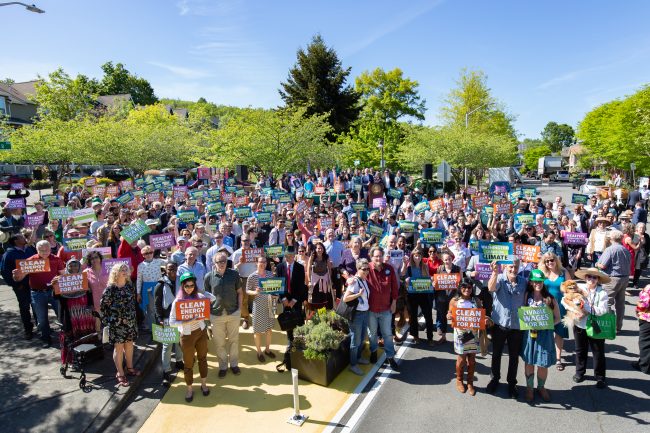
Those of us who care about protecting the environment have many reasons to be happy about the 2019 legislative session. This was the most productive session in decades for clean air, clean water, habitat, and charting a course to a cleaner future. We accomplished a lot of priorities around clean energy and climate action, protecting orcas and marine life, and waste reduction.
As chair of the House Environment & Energy Committee, I’m proud of all the hard work that went into passing these bills and excited about all that we got done.
I’m also motivated about the work that lies ahead. Because of the historic accomplishments of the 2019 session, it’s easy to think we’re all caught up when it comes to environmental legislation. We passed some key policies and made important investments this year, but we need to do much more to reduce greenhouse gas emissions to a safe level and protect our quality of life.
Among the important bills that didn’t make it all the way through the Legislature are my bill implementing a clean fuel standard for gasoline and diesel and legislation banning single-use plastic bags. Looking ahead, we need to tackle these issues by reducing emissions from transportation fuels and reducing plastic pollution in our waterways and landfills.
I’ll be working hard next session to achieve even more environmental progress for our state.
Sincerely,
Climate action & clean energy: a breakthrough session
Earlier this week, the governor signed a package of clean energy bills into law that represent a big leap forward in reducing greenhouse gas emissions and charting our state’s course toward a clean energy future:
So long, super pollutants (HB 1112) – I sponsored this bill
Hydrofluorocarbons, or HFCs, are used as commercial and industrial refrigerants and foam-blowing agents. They are also super-polluting greenhouse gases that are thousands of times more damaging to the climate than carbon dioxide. We’re phasing out HFCs in our state thanks to this bill, transitioning to safe and cost-effective alternatives that already exist.
100% Clean Electricity (SB 5116)
We’re transitioning to a clean energy future by requiring utilities to transition away from fossil fuel-generated electricity. With a preliminary “coal elimination” deadline of 2025, and a final “clean grid” deadline of 2045, Washington is firmly on a path to 100-percent clean energy from renewable and zero-emission sources like wind, solar, and hydropower.
Energy efficiency/clean buildings (HB 1257)
Buildings are the fastest-growing source of emissions in Washington as well as the sector in which emissions are cheapest to reduce. With this first-in-the-nation energy efficiency standard for large commercial buildings, we’ll retrofit older buildings and build even more efficient new ones, cutting carbon emissions quickly and economically while creating good-paying jobs.
Appliance efficiency (HB 1444)
New efficiency standards for certain appliances and design requirements for electric water heaters will reduce electricity and water use while also reducing greenhouse gas emissions.
Clean transportation (HB 2042)
We’re transitioning to a zero-emissions transportation sector with incentives to make electric vehicles more accessible for consumers, helping utilities invest in vehicle charging stations and other infrastructure, and creating a new grant program to help transit agencies electrify their fleets.
Protecting orcas and clean water
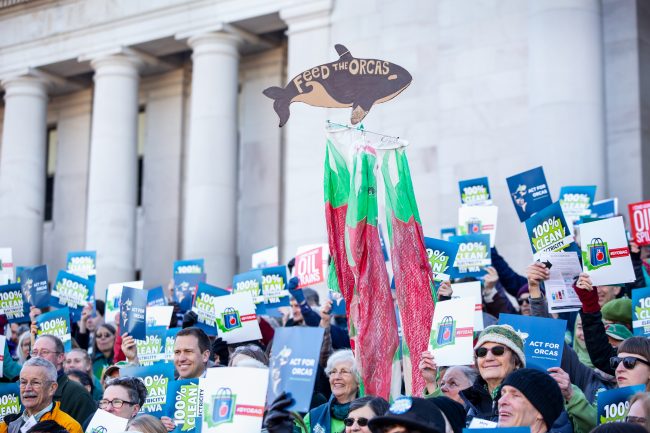
A package of bills to help protect our endangered Southern Resident killer whales and the waters they call home was also signed into law this week:
Protecting our Salish Sea from oil spills (HB 1578)
We’re reducing threats to orcas and marine life by reinforcing Washington state’s Oil Spill Prevention Act and the Strengthening Oil Transportation Act, requiring tug escorts for small oil tankers and barges traveling across narrow straights within the San Juan Islands.
Increasing Chinook abundance (HB 1579) – I sponsored this bill
One of the biggest threats to continued survival of the Southern Resident killer whales is the ability to find enough food to survive and reproduce. We’re helping them by updating our state’s oldest environmental law – the hydraulic code – and giving it more teeth. This will help protect the critical habitat that orcas and the Chinook salmon they feed on need to survive.
Protecting orcas from marine vessels (SB 5577)
Reducing noise and disturbance from vessels will give orcas the space and quiet they need to find food and survive. We’re increasing the distance boats must stay from Southern Resident killer whales and adding a go-slow zone for boats viewing them.
Preventing toxic pollution (SB 5135)
Reducing exposure to toxic pollutants will help our critically endangered orca population and their prey, but it also helps all of us – particularly children and pregnant women. The state will help identify and remove pollution at its source before it enters our water supplies, food, homes, marine waters, and bodies.
Adding safe whale watching to boating education (SB 5918)
Requires state boating education to include information on new regulations, safe whale watching, and other actions boaters can take to protect the health of orcas.
Toxic cleanup and reducing stormwater pollution (SB 5993)
We increased and reformed the hazardous substances tax levied on petroleum products, generating hundreds of millions of dollars to clean up contaminated sites, prevent future pollution, and improve how we manage stormwater runoff that harms the health of Puget Sound.
Waste reduction & stewardship

We also took important steps this session to reduce what we send to the landfill, and increase what can be recycled, reused, and composted.
Food waste reduction (HB 1114)
We’re directing state agencies and those engaged in food production, distribution, sale, disposal and recovery to collaborate on a food waste reduction strategy, which will address both hunger and greenhouse gas emissions from food waste.
Revamping Washington’s recycling (HB 1543)
Through education and outreach, we’ll look for ways to reduce contamination in our recycling stream and develop new markets in Washington for recyclable materials.
Marketing the degradability of products (HB 1569)
Consumers shouldn’t be misled about the compostability or biodegradability of a product. By restricting the labeling and marketing of certain products like food packaging and food service ware, there will be less confusion and less plastic contamination of municipal composting programs.
Plastic packaging (SB 5397)
Plastic is filling our landfills – and oceans. We’re directing the state to study the management and disposal of plastic packaging and identify alternatives to achieve the goal of 100 percent recyclable, reusable or compostable packaging and 20% recycled content in all plastic packaging sold in Washington by 2025.
Paint stewardship (HB 1652)
We’re keeping paint out of our landfills, soil, and water by requiring producers of architectural paint to participate in an approved stewardship program that recycles or otherwise safely disposes of paint.
Green tip of the week
Keeping your home energy efficient in the summer heat
The stretch of warm weather we’ve had this week feels like summer in May. When it’s warm outside, we like our homes to stay comfortable, and that can mean turning on the air conditioning (if you have it) or running fans. Here are a few tips to ensure wise energy use as the temperatures rise:
- Make sure attics and crawlspaces are properly insulated so you keep the cool air in.
- Keep windows closed if the air conditioning is on so the system doesn’t have to work so hard.
- Keep blinds/curtains closed during the day, especially for windows in direct sunlight.
- When you’re not home, turn the air conditioning off (or at least down). Contrary to popular belief, it is not more energy efficient to keep the system running 24/7 rather than turning it on and off.
Legislative Update: Tobacco 21 signed into law, vacating marijuana convictions
Note from Eileen:
Quick Update on T-21
We have spoken about the Legislature’s effort to end youth tobacco use (HB 1074) a number of times. The legislation raises the legal buying age of tobacco and vapor products from 18 to 21 years old. Today, Governor Inslee signed the bill into law! We are thrilled this excellent policy has finally become law after many years of hard work.

Addressing Washington’s Regressive Tax Code

The House recently released its proposed budget for the 2019-2021 biennium. The proposal includes a new Extraordinary Profits Tax, which will only apply to the wealthiest 0.4% of Washingtonians. The revenue raised goes directly into crucial budget needs, like K-12 education, special education, and high-quality pre-kindergarten. Washington’s tax code is one of the most regressive in the country, and this year’s budget makes strides to shift the burden of these investments from working and middle class families to the wealthy few, so that they are contributing like the rest of us to key government services.
The tax will only apply to sales of high value assets that generate profits over $100K (or $200K for couples). There are also a number of protections in place to shield retirement accounts, single-family residences, and the vast majority of small businesses in the state. As it appears in the House budget, this proposal would exempt businesses that are valued at under $7 million and have less than 50 employees. The structure of this proposal avoids further burdening working and middle class families while still investing in quality services in our communities.
Human Remains Bill Heading to the Floor
We have both heard from many of you in support SB 5001, concerning human remains. This bill would create a new alternative to burial or cremation, which not only honors the dignity for the deceased and families but also reduces the environmental impact. Both of us are supportive of this new option and voted in favor of it in the House Appropriations Committee. We hope that it will be brought to the House floor for a vote and eventually make its way to the Governor’s desk for his signature.
Note from Joe:
Vacating Marijuana Convictions
With the passage of Initiative 502 in 2012, Washington voters stated very clearly that the possession of small amounts of marijuana should no longer be a crime for people over the age of 21. Many thousands of people have this conviction on their records, which remains a barrier towards obtaining employment and housing.
That’s why I sponsored House Bill 1500, which allows people who have misdemeanor marijuana convictions on their records to request vacation of this offense only. Applicants requesting vacation must have been at least 21 years old at the time of the offense and have completed the terms of their original sentencing. This is a logical and compassionate step to take without harming public safety.

Our seatmate Sen. Joe Nguyen has companion legislation, SB 5605, which had a public hearing in the House Appropriations Committee today. His bill is the vehicle moving this policy forward, and I commend his efforts getting it this far along. We will continue supporting this measure all the way to the governor’s desk.
Big Wins for Our Community
Yesterday, the Senate passed the Transportation budget, HB 1160. It includes funding for a local project in White Center. As many of you know, 4th Avenue SW is a fast moving, high traffic area with narrow sidewalks and limited crossing opportunities. The budget allocates $620,000 for a 4th Avenue SW Enhancement project, which will go towards revitalizing the streetscape by including crosswalks with fully accessible ramps, wide sidewalks safe for those using wheelchairs and strollers, in addition to new pedestrian lighting, canopy trees, and landscaped curb extension to slow down traffic for our Greenbridge constituents.
The House passed the Capital budget, which now awaits Senate action. I am happy to report that $4,400,000 has been secured for the Northwest Seaport Alliance to fully construct shore power infrastructure at Terminal 5 in the Port of Seattle. This will allow marine cargo vessels at berth to shut their engines off and plug into the local electrical grid for their needs, reducing both carbon emissions and diesel particulate matter. This would have a very meaningful effect on public and environmental health, reducing the most harmful air pollutant affecting our district.
Non-Criminal Youth Detention Centers
We know that juvenile incarceration can cause significant trauma to minors, particularly youth status offenders found guilty of a noncriminal acts. Status offenders are shackled in courtrooms, strip searched, stigmatized, removed from their families, schools, and communities in addition to being incarcerated alongside criminalized juvenile offenders. This is state-imposed trauma. That’s why I’m co-sponsoring House Bill 1434, which phases out detention for noncriminal offenses by youth – as 25 other states have already done.
The Senate version of this bill, Senate Bill 5290, is now being considered in the House Rules committee. We look forward to voting for it on the House floor.
Thanks for reading!