Dear Friends and Neighbors,
As the 2026 legislative session comes to a close, I want to take a moment to reflect on the work we’ve done together and what it means for our communities.
This session, we focused on a simple but important goal: making government work better for you: ensuring fairness, accountability, and responsible use of public resources. Our tax system and public investments should reflect those values.
One of the most significant, and most debated, pieces of legislation this year was the Millionaires Tax.
This policy represents a meaningful step toward correcting a tax system that has been out of balance for far too long. Washington has consistently ranked last in the nation for tax fairness, with lower- and middle-income families paying a far greater share of their income in taxes than the wealthiest households.
SB 6346 begins to address that imbalance by asking those earning over $1 million annually to contribute more while helping to ease the burden on working families. The revenue generated will support critical investments and help reduce reliance on regressive taxes that disproportionately impact those who can least afford it.
At its core, this bill is about balance.
It’s about recognizing that when our tax code asks more of those with the greatest ability to pay, we create room to provide relief and opportunity for others, whether that’s through investments in education, access to health care, or support for working families trying to make ends meet.
|
|
Advancing Accountability and Consumer Protection
I was also proud to support and work on legislation that strengthens protections for Washingtonians and improves how our systems function.
SB 5141 (which I supported through the House companion) increases transparency and accountability in disability insurance pricing. It requires insurers to fully disclose the formulas and factors they use to set premium rates for employer-based disability insurance plans.
In plain terms, this ensures that regulators can verify that rates are fair, not excessive, and not discriminatory, and that companies are using consistent and accountable methods when pricing coverage that many working people rely on.
SB 5880 (which I supported through the House companion) helps ensure the integrity and reliability of forensic toxicology testing used in DUI and other legal cases.
The bill allows courts to accept blood and breath testing results from certified or internationally accredited laboratories, provided they meet rigorous standards. It also puts clear requirements in place to ensure transparency in the legal process, including access for defense counsel and accountability for testing procedures.
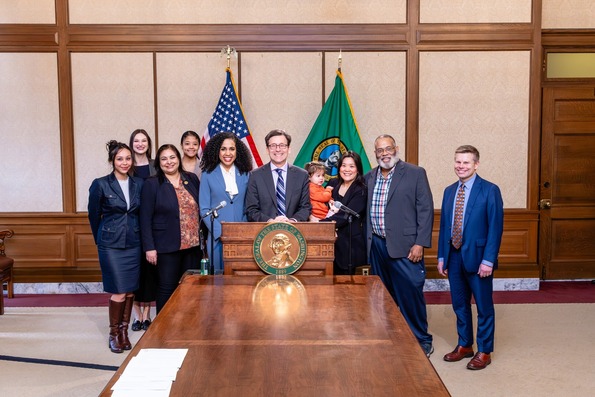
Together, these bills reflect a core priority of mine: making sure our systems—whether in the marketplace or the justice system—are fair, transparent, and work as intended for the public. I am delighted to share that both have been signed into law by the Governor!
|
|
Laying the Groundwork for What’s Next
Not every important effort crossed the finish line this year, but that doesn’t mean the work stops.
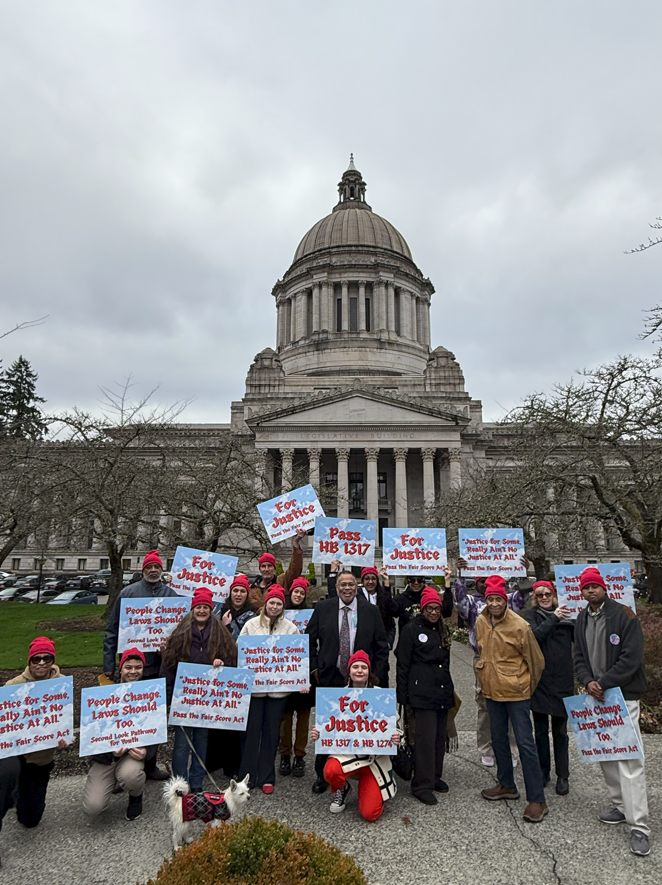
I was proud to sponsor HB 1317, legislation focused on individuals serving long sentences for crimes committed before the age of 21. This bill was rooted in a growing body of research recognizing that young people’s brains are still developing into their early twenties, particularly when it comes to decision-making, impulse control, and risk assessment.
HB 1317 would have created a pathway for certain individuals to petition for early release review after serving significant time, depending on the seriousness of the offense. For example:
- Individuals convicted of most offenses before age 21 could seek review after 15 years
- Those convicted of more serious crimes, like murder, after 20 years
- And those convicted of aggravated murder after 25 years
Importantly, this bill did not guarantee release. It would have allowed individuals to go before the Indeterminate Sentence Review Board, which conducts a rigorous review process and only grants release if it determines a person is not likely to reoffend and can safely return to the community.
The bill also aligned Washington law with recent court decisions by ensuring that, in certain serious cases involving individuals ages 18 to 20, courts could fully consider the mitigating factors of youth at sentencing.
At its core, this legislation was about accountability, rehabilitation, and public safety, recognizing that people can change, while maintaining a careful and evidence-based review process.
While HB 1317 did not pass this session, it helped move the conversation forward in an important way. I’m committed to continuing this work and building on the foundation we established this year.
|
|
Signing off for now!
Although session has adjourned, my work for you continues.
In the months ahead, I’ll be back in the district meeting with constituents, hosting community conversations, and listening to your priorities as we prepare for the next legislative session.
Let’s stay connected
Because this is an election year, there are new restrictions on how legislators can communicate. During this period, I’m unable to send out regular e-newsletters like this one. While that means fewer updates from me directly, please know that my office remains here to serve you.
Even during the interim, I encourage you to reach out with questions, concerns, or ideas. My team and I are always happy to help with state services or connect you with resources.
- 📧 Email: David.Hackney@leg.wa.gov
- 📞 Phone: (360) 786-7956
- 🌐 Website: https://housedemocrats.wa.gov/hackney
|
|
Your voice is essential to this process. I encourage you to stay engaged, reach out, and join me at upcoming events throughout the interim.
Thank you for the trust you place in me to represent you.
Warmly,
Rep. David Hackney